Things We Wish We Were Taught About Our Periods
For many of us, our first conversations about periods were short, awkward, and missing a lot of important details. We were often told the basics, that bleeding once a month means your body is “working” but not much beyond that. The truth is, your menstrual cycle is one of the best windows into your overall health, and learning to understand it can make a huge difference in how you feel, how you plan your life, and how you take care of your body.
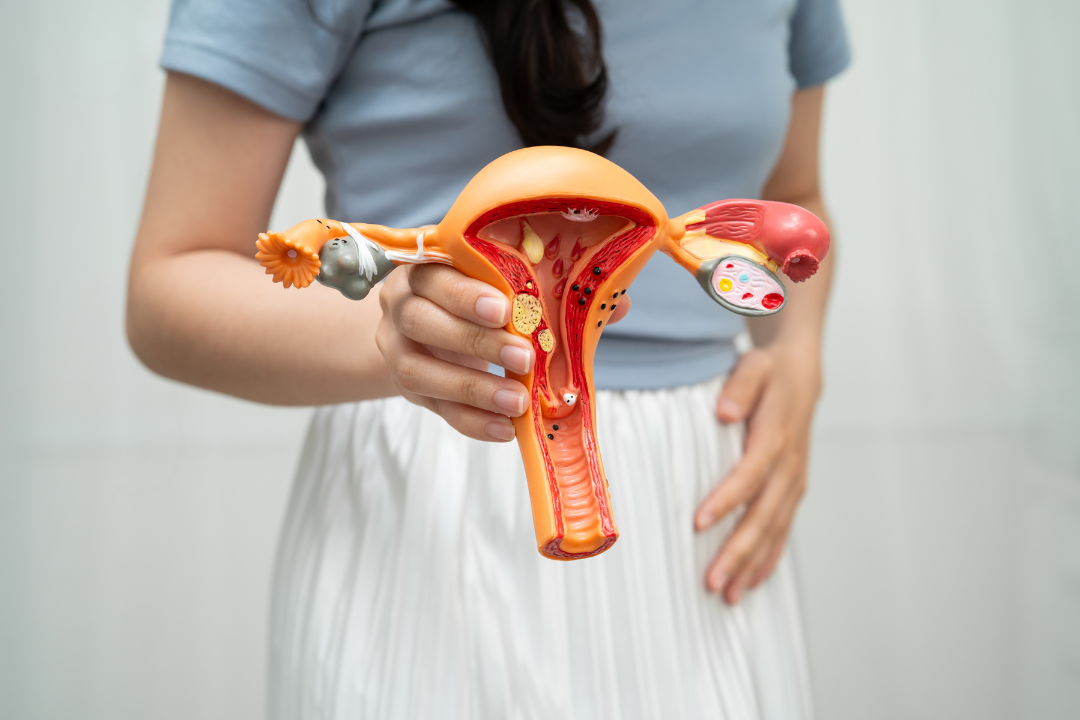
Here are some of the things many of us wish our mothers had taught us about our periods:
1. When Does Day One Actually Start?
Day one of your cycle isn’t just the first day you see spotting. It’s the first day of full bleeding (not light spotting, but real flow). Knowing this matters because so much in women’s health- hormone testing, fertility tracking, and cycle health - is measured in relation to cycle day.
2. How to Track a Cycle (And Why It Matters)
Cycle tracking is more than just counting the days between periods. It’s about paying attention to:
Cycle length (how many days from day one of one period to day one of the next)
Bleeding patterns (heavy, light, clotting, spotting)
Symptoms (mood changes, cramps, headaches, acne, sleep changes)
Cervical mucus changes (sticky, creamy, stretchy — a key fertility sign)
Even a simple notebook or period tracking app can help you spot patterns in your health.
3. What’s Normal vs. Abnormal Bleeding
A “normal” period usually lasts 3 to 7 days and comes every 21 to 35 days. Signs that your period may be abnormal include:
Soaking through a pad or tampon every 1–2 hours
Passing clots larger than a quarter
Periods that last longer than 7 days
Bleeding in between cycles
Severe pain that interrupts your daily activities
If you notice these, it’s not just “bad luck” — it’s worth talking to your healthcare provider.
4. Fertile Windows Aren’t Just Day 14
One of the biggest myths is that ovulation happens on day 14 for everyone. In reality, ovulation can vary widely depending on your cycle length. Your fertile window is usually the 5–6 days before ovulation plus the day of ovulation itself. Signs of fertility include:
Cervical mucus that becomes clear and stretchy, like egg whites
A small rise in basal body temperature after ovulation
Subtle changes in energy, mood, or libido
Learning to identify your own fertile window is empowering, whether you’re trying to conceive or avoid pregnancy naturally.
5. Your Period Is a Vital Sign
Your menstrual cycle is often called the “fifth vital sign.” Just like blood pressure or heart rate, it gives important clues about your health. Irregular, painful, or heavy cycles can be early signals of conditions like thyroid disorders, polycystic ovary syndrome (PCOS), or endometriosis.
6. PMS Isn’t Always “Normal”
Mild mood changes, bloating, or fatigue can be common before a period, but extreme PMS, the kind that disrupts your work, relationships, or sleep, is a sign that something deeper might be going on. Hormone imbalances, nutrient deficiencies, and lifestyle factors can all contribute. You don’t have to just “live with it.”
7. Menstrual Care Is More Than Pads and Tampons
There are many options beyond the basics we were handed as teenagers: menstrual cups, period underwear, reusable pads, and even hormone-friendly approaches to pain relief. Choosing what works for your body (and the planet) is part of taking ownership of your cycle.
Final Thoughts
Our teachers and mothers did their best with the information they had, but we now know so much more about how powerful cycle awareness can be. Understanding your period is not only about managing bleeding, it’s about tuning into your body, protecting your long-term health, and making choices with confidence.
It’s never too late to start learning. Your cycle is talking to you every month and it’s time to listen.