
Estrogen Patch vs Estrogen Gel: What’s the Difference?
Two commonly used options are the estrogen patch and estrogen gel. Both deliver estradiol through the skin and into the bloodstream, but they differ in how they’re applied, how often you use them, and what may work best with your lifestyle.
GLP-1 Medications for PMOS: Why They're About More Than Weight Loss
For many people living with PMOS (Polyendocrine Metabolic Ovarian Syndrome, formerly known as PCOS), GLP-1 medications may help address one of the underlying drivers of the condition: metabolic dysfunction and insulin resistance.
Menopause Hormone Therapy: Understanding the Benefits, Risks
If you've started looking into menopause hormone therapy (MHT), you've probably noticed that there are a lot of conflicting opinions online.
Some articles describe it as life-changing. Others still warn that it's dangerous.
So which is true?
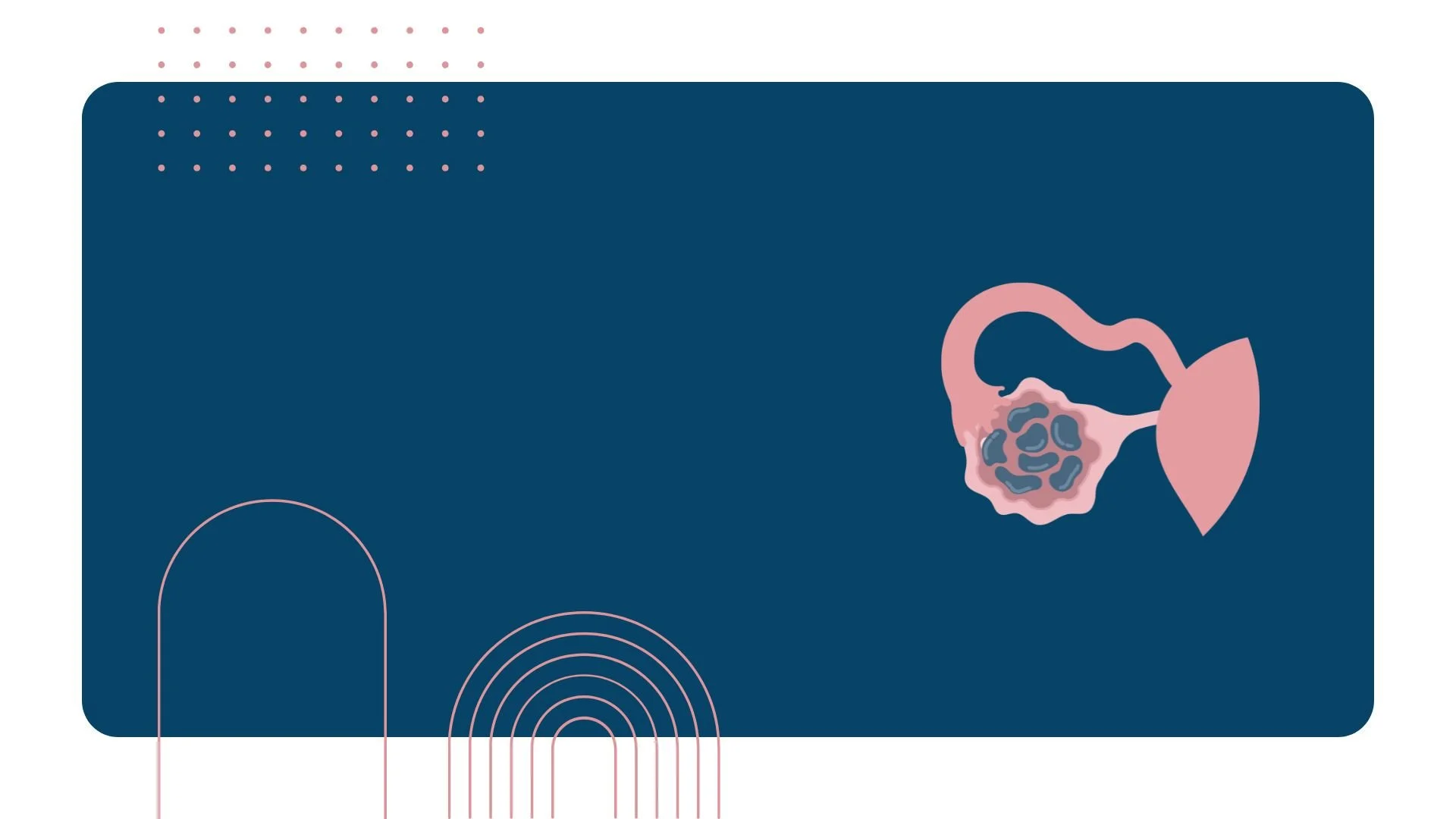
PCOS Is Being Renamed PMOS
For years, healthcare providers have known that the name Polycystic Ovary Syndrome (PCOS) doesn't accurately describe the condition.
When Should You Start Menopause Hormone Therapy? Understanding the Window of Opportunity
For years, many women were told to wait until their symptoms became severe before considering treatment. Others were told to avoid hormone therapy altogether due to outdated concerns about safety.
Today, we have a much better understanding of menopause hormone therapy (MHT), including who benefits most and when it may be safest and most effective to start.
GLP-1 Medications: A New Tool for Metabolic and Hormonal Health
While weight reduction is certainly one of their most visible effects, the science behind these medications is far more interesting. In my practice, I often discuss GLP-1 therapies not simply as weight loss medications, but as tools that can help improve metabolic health, insulin regulation, inflammation, and overall health outcomes.
Why Your Morning Coffee is Sabotaging Your 3:00 PM Focus
We’ve all been there. It’s 3:00 PM, and the "Brain Fog" has officially moved in. Your focus is shot, your patience is thin, and you’re eyeing the pantry for something salty or sweet.
You probably think you just need another cup of coffee. But the truth? Your first cup of coffee—the one you drank three minutes after waking up—is the reason you’re crashing now.
Your Lab Results are “Normal” (And I’m Sorry About That)
Medical lab reference ranges are designed to catch acute disease—the big, scary stuff. They are calculated based on a bell curve of the average population. But here’s the kicker: the "average" person getting blood work done isn't necessarily the picture of vibrant health.
Is Your Wellness To-Do List Making Your Cortisol Worse?
As a naturopathic doctor in Kelowna, I see a specific pattern every week: women who are exhausted by the sheer effort of trying to be "healthy." They come to me with irregular cycles, mid-afternoon crashes, and wired-but-tired nights—often despite doing "all the right things."

Things We Wish We Were Taught About Our Periods
For many of us, our first conversations about periods were short, awkward, and missing a lot of important details. We were often told the basics, that bleeding once a month means your body is “working” but not much beyond that.