
GLP-1 Medications for PMOS: Why They're About More Than Weight Loss
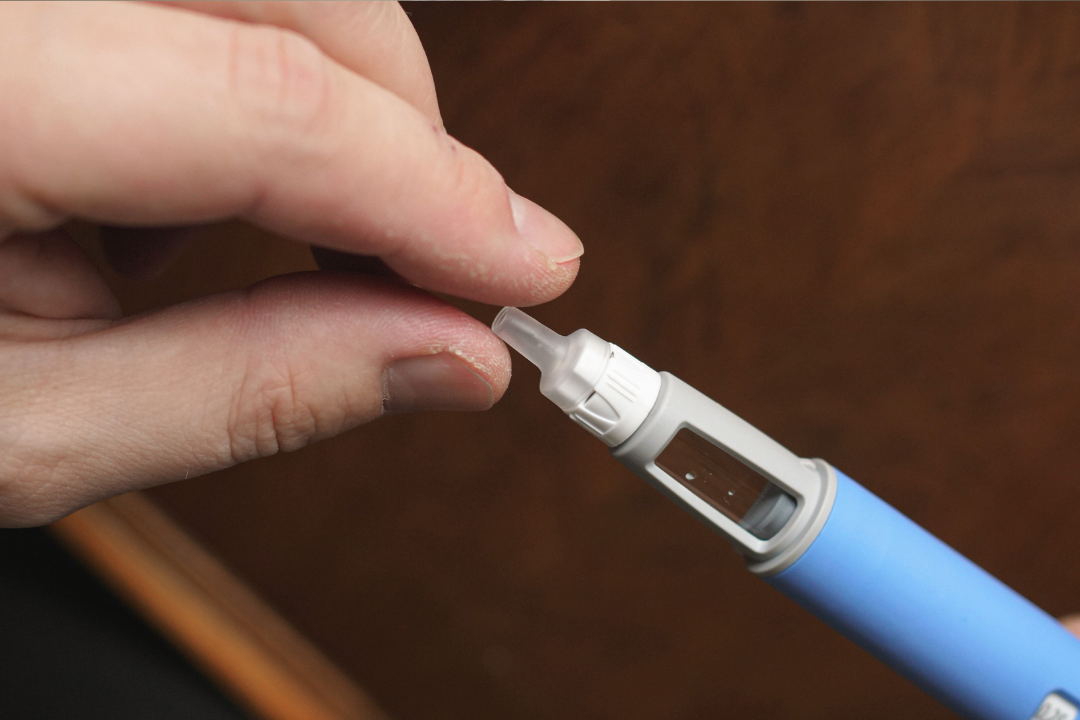
If you've spent any time on social media recently, you've probably heard people talking about GLP-1 medications like Ozempic®, Wegovy®, or Mounjaro®. While these medications are often associated with weight loss, that's only part of the story.
For many people living with PMOS (Polyendocrine Metabolic Ovarian Syndrome, formerly known as PCOS), GLP-1 medications may help address one of the underlying drivers of the condition: metabolic dysfunction and insulin resistance.
If you've been struggling with irregular periods, difficulty losing weight despite doing "everything right," increased hunger, or other symptoms of PMOS, here's what you should know.
Understanding PMOS
PMOS is one of the most common hormone conditions affecting women of reproductive age. Although many people still know it as PCOS, experts have recently proposed renaming it to better reflect what the condition actually is.
Rather than being a condition that only affects the ovaries, PMOS involves multiple hormone and metabolic systems throughout the body.
Common symptoms include:
Difficulty losing weight
Increased abdominal weight gain
Acne
Excess facial or body hair
Fertility challenges
Insulin resistance
Elevated cholesterol
Increased risk of type 2 diabetes
Not everyone experiences the same symptoms, and treatment should always be individualized.
Why Insulin Resistance Matters
One of the biggest drivers of PMOS is insulin resistance.
Insulin is the hormone that helps move glucose from your bloodstream into your cells to be used for energy. When your body becomes resistant to insulin, it has to produce more and more of it to keep blood sugar under control.
Higher insulin levels don't just affect blood sugar. They can also stimulate the ovaries to produce more testosterone, contributing to many of the symptoms seen in PMOS, including irregular cycles, acne, and excess hair growth.
Insulin resistance can also make weight management significantly more challenging, even when someone is eating well and exercising regularly.
How GLP-1 Medications Work
GLP-1 medications mimic a natural hormone called glucagon-like peptide-1.
These medications help by:
Increasing feelings of fullness
Slowing stomach emptying
Improving blood sugar regulation
Reducing appetite and food noise
Supporting healthier insulin function
While many people notice weight loss, these medications are also improving important metabolic processes happening behind the scenes.
The Potential Benefits of GLP-1 Medications for PMOS
Research continues to grow, and the results are encouraging.
For some people with PMOS, GLP-1 medications may help improve:
Insulin resistance
Blood sugar control
Waist circumference
Cholesterol levels
Inflammation
Ovulation and menstrual regularity
Overall metabolic health
Although weight loss often receives the most attention, improving metabolic health may be the more important long-term benefit.
They're Not a Standalone Treatment
One of the biggest misconceptions is that GLP-1 medications replace healthy habits.
In reality, they work best when combined with a comprehensive treatment plan that includes:
Adequate protein intake
Regular resistance training
Daily movement
Good sleep
Stress management
Individualized nutrition
For many patients, this combination helps create sustainable improvements in health rather than simply focusing on the number on the scale.
Are GLP-1 Medications Right for Everyone With PMOS?
No.
Like any medication, GLP-1 medications have benefits, risks, and potential side effects. They're also not necessary for everyone with PMOS.
Some people respond very well to lifestyle interventions alone. Others may benefit from medications such as metformin, GLP-1 medications, or other treatment options depending on their symptoms, goals, and medical history.
The right treatment plan is highly individualized.
A Whole-Person Approach to PMOS Care
At my practice, I believe PMOS deserves more than a one-size-fits-all approach.
Treatment may include nutrition, exercise, sleep optimization, targeted supplements, medications when appropriate, and strategies to improve insulin resistance and metabolic health. The goal isn't simply weight loss. It's helping you feel better, improve your hormone health, and reduce your long-term health risks.
If you're wondering whether your symptoms could be related to PMOS or whether GLP-1 medications may be appropriate for you, I'd be happy to help you explore your options.
Looking for PMOS Treatment in Kelowna?
As a naturopathic doctor in Kelowna, I work with women experiencing PMOS, insulin resistance, irregular periods, fertility concerns, and perimenopause. Together, we'll develop an individualized treatment plan based on your symptoms, health goals, and the latest evidence.
Whether that includes lifestyle changes, supplements, prescription medications, or hormone therapy, my goal is to help you understand your options and make informed decisions about your health.
Book an appointment to discuss your PMOS symptoms and create a personalized treatment plan.