
Your Lab Results are “Normal” (And I’m Sorry About That)
Why the "Reference Range" is failing women, and how to find your functional sweet spot.
"Everything looks normal."
It’s the phrase I hear most often from patients during their first visit at Momentum Health. They’ve had the blood work done, they’ve waited for the results, and they’ve been told there is "nothing wrong."
And yet, they are losing hair by the handful, their periods are an unpredictable roller coaster, and they need three coffees just to survive the school drop-off.
If this is you, I want to say two things: I believe you, and "normal" isn't the same thing as "optimal."
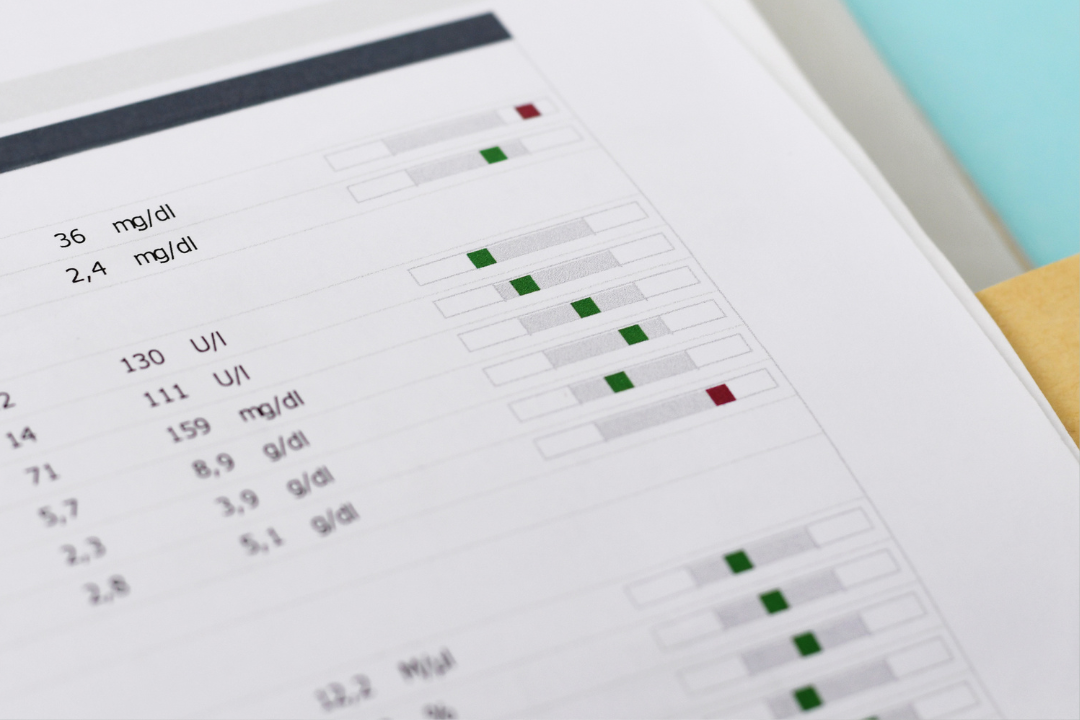
The Problem with the "Normal" Range
Medical lab reference ranges are designed to catch acute disease… the big, scary stuff. They are calculated based on a bell curve of the average population. But here’s the kicker: the "average" person getting blood work done isn't necessarily the picture of vibrant health.
When your labs are "normal," it just means you aren't in a state of clinical failure. But in naturopathic medicine, we aren't looking for the absence of disease; we are looking for the presence of vitality.
The Three Usual Suspects
In my Kelowna clinic, there are three specific labs where the "normal" range often hides a hormone struggle:
Ferritin (Iron Storage): The lab might say 15 ng/mL is "normal," but most women don't feel like human beings until they are at least above 50. If your iron is at floor-level, your thyroid can’t work, and your hair stays in the shower drain.
TSH (Thyroid Stimulating Hormone): Many labs flag "high" at 4.5 or 5.0. However, many women feel symptomatic (fatigue, brain fog, cold hands) once they climb above 2.0 or 2.5.
Progesterone: Often tested on the wrong day (the "Day 21" myth!), a result might show you ovulated, but it might not be enough to support a mood that doesn't tank three days before your period.
Clinical Context is Really Important!
This is why my approach isn't supplement-heavy—it’s context-heavy.
We don't just treat the paper; we treat the person. We look at the timing of your labs (like that crucial Day 3 FSH and estradiol) and interpret them through the lens of your actual symptoms.
If your labs say you’re fine but your body says you’re not, the body is usually the one telling the truth.
Tired of being told you’re "fine"? Let's take a second look. Book an appointment to dive deep into your results and find the "why" behind your symptoms.