
GLP-1 Medications: A New Tool for Metabolic and Hormonal Health
When most people hear about GLP-1 medications, they think of weight loss.
While weight reduction is certainly one of their most visible effects, the science behind these medications is far more interesting. In my practice, I often discuss GLP-1 therapies not simply as weight loss medications, but as tools that can help improve metabolic health, insulin regulation, inflammation, and overall health outcomes.
The conversation is becoming less about weight and more about health.
These Medications Aren't New
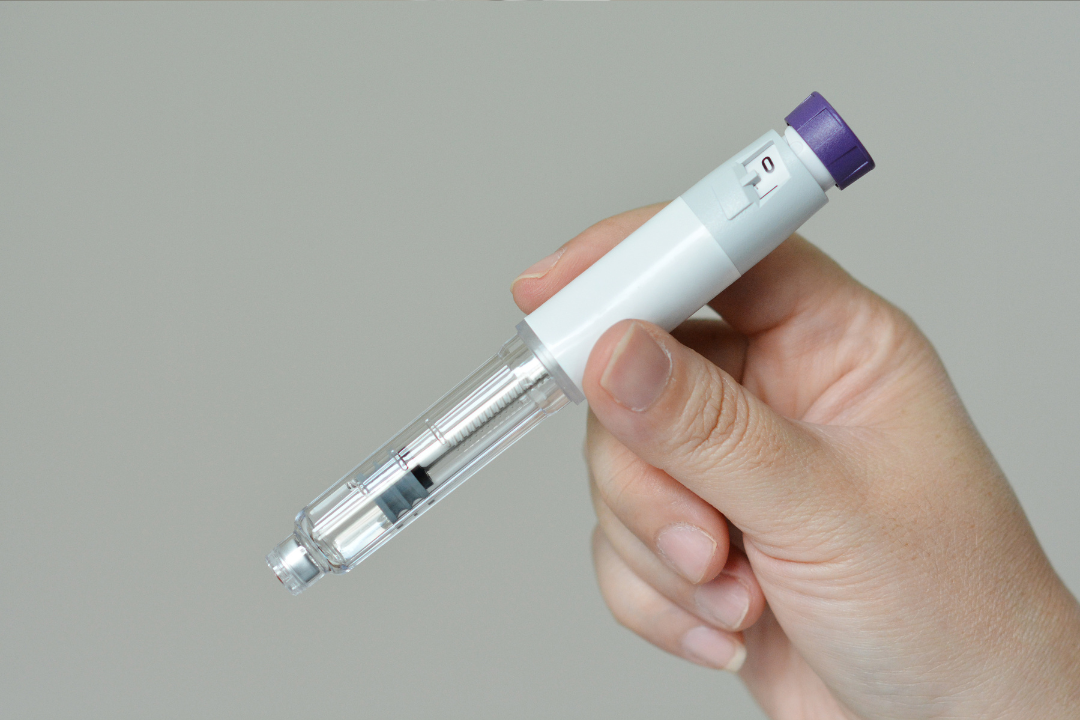
Many people assume GLP-1 medications appeared suddenly because of social media attention, but the first GLP-1 receptor agonist was approved in 2005 for type 2 diabetes.
What has changed is the quality of the medications.
Newer agents such as semaglutide and tirzepatide have demonstrated greater effectiveness, longer duration of action, and broader benefits than earlier versions. At the same time, research has expanded dramatically, helping us better understand their effects throughout the body.
Understanding Metabolic Health
Many of the conditions I commonly see in practice share a common theme: metabolic dysfunction.
Examples include:
Prediabetes
Type 2 diabetes
Metabolic-associated fatty liver disease
Elevated cardiovascular risk
Weight gain during perimenopause and menopause
These conditions often involve disruptions in blood sugar regulation, insulin signaling, inflammation, appetite regulation, and energy metabolism.
GLP-1 medications target several of these pathways simultaneously.
The Hormone Connection
Hormonal symptoms are not always caused by reproductive hormones alone.
During perimenopause and menopause, many women notice increasing abdominal weight gain, rising cholesterol levels, worsening insulin resistance, changes in appetite, and greater difficulty maintaining muscle mass.
While estrogen changes certainly contribute, metabolic health also plays an important role.
Improving insulin sensitivity and reducing chronic inflammation may help support overall health during these transitions and may complement other treatments such as lifestyle interventions and menopausal hormone therapy when appropriate.
The Anti-Inflammatory Effects
One of the most fascinating areas of research involves inflammation.
Chronic low-grade inflammation is associated with obesity, cardiovascular disease, insulin resistance, fatty liver disease, and many age-related conditions.
Studies have shown that GLP-1 medications can reduce inflammatory markers and improve metabolic function beyond what would be expected from weight loss alone.
Researchers are still working to fully understand these mechanisms, but the findings suggest these medications may influence multiple pathways involved in chronic disease development.
Preserving Muscle Matters
One of my biggest priorities when discussing GLP-1 medications is maintaining muscle mass.
Weight loss alone is not necessarily the goal.
Muscle is essential for metabolic health, insulin sensitivity, strength, mobility, bone health, and healthy aging. For this reason, I strongly encourage patients using GLP-1 medications to prioritize:
Adequate protein intake
Resistance training
Regular movement
Appropriate nutritional support
The goal is not simply to become smaller. The goal is to become healthier.
Are GLP-1 Medications a Magic Solution?
No.
Like any medical therapy, they are tools. They do not replace healthy habits, and they are not appropriate for everyone.
However, for carefully selected individuals, they can create meaningful improvements in metabolic health and help overcome physiological barriers that make lifestyle change alone difficult.
The Bigger Picture
We are entering a new era of metabolic medicine.
The growing body of research suggests that GLP-1 medications may influence far more than appetite and body weight. Their effects on insulin regulation, inflammation, cardiovascular health, liver health, and metabolic function are changing how we think about chronic disease prevention and treatment.
For many people, the most important benefit may not be the weight they lose, but the health they gain.
If you're wondering whether a GLP-1 medication might be appropriate for your situation, it's important to work with a healthcare provider who can evaluate your individual health history, goals, and overall treatment plan.