
Blood vs Saliva vs Urine Hormone Testing Pros and Cons
Hormone symptoms can feel confusing. Fatigue that no latte fixes. Period problems that show up out of nowhere. Mood swings, brain fog or sleep issues that make daily life harder. When it is time to investigate your hormones the first step is choosing the right testing method. Most people are familiar with blood testing but saliva and urine based testing can offer valuable information too.
This guide breaks down the differences between blood, saliva and urine hormone testing so you understand how each method works what it measures best and when it may be recommended.
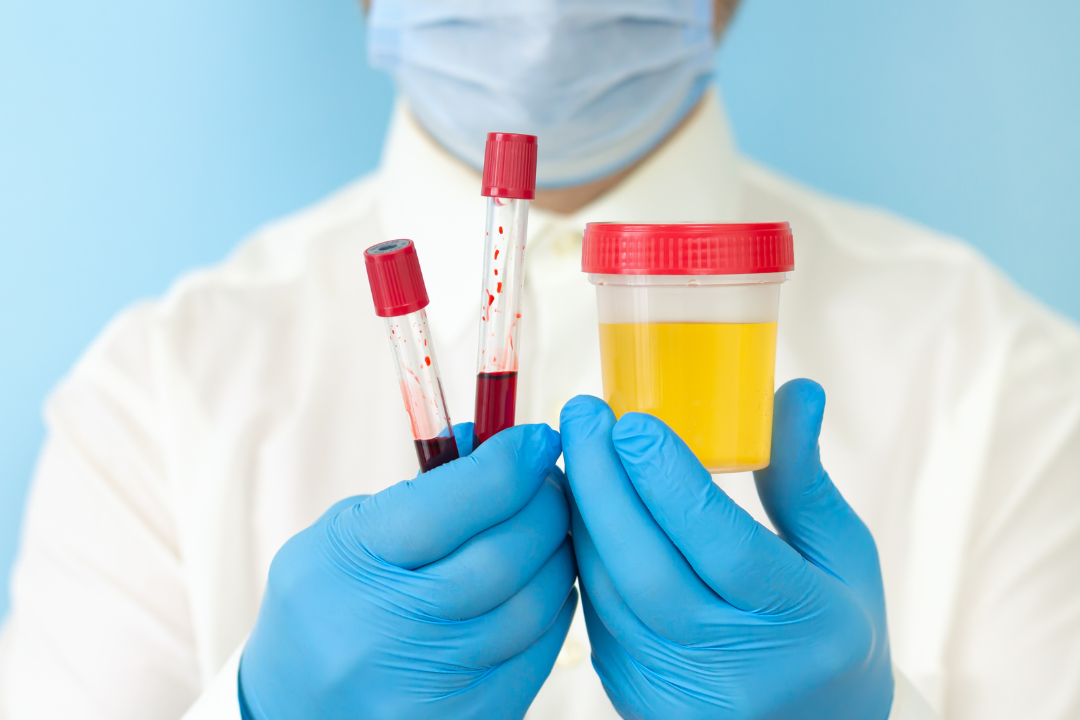
Blood Hormone Testing
How Blood Testing Works
Blood tests measure hormone levels circulating in the bloodstream at the time of the draw. This is known as serum hormone testing and it is the most widely available method through family doctors and specialists.
What Hormones Can Be Tested
Progesterone
Testosterone and DHEAS
FSH and LH
Prolactin
Insulin glucose markers
Sex hormone binding globulin SHBG
Cortisol morning serum
Pros of Blood Testing
Accurate for circulating hormones especially LH, FSH, thyroid and prolactin.
Standard labs can provide coverage through insurance
Easiest to repeat for follow up and comparison
Gold standard for diagnosing menopause, PCOS and thyroid disorders.
Good for tracking medication related changes such as hormone therapy doses
Cons of Blood Testing
Shows hormones at one moment in time
Cannot measure cortisol rhythm over the day
Does not assess how hormones are metabolized or cleared
Progesterone and estrogen levels fluctuate through the day sometimes creating false low or high impressions
May require fasting or specific timing such as cycle day 21 progesterone
When Blood Testing Is Most Useful
Suspected thyroid disease
PCOS or irregular periods
Diagnosing menopause or perimenopause patterns
Tracking estradiol or progesterone while on hormone therapy
Checking iron glucose or metabolic markers together with hormones
Saliva Hormone Testing
How Saliva Testing Works
Salivary testing measures free unbound hormones that are actively available to cells. Samples can be collected at home usually at multiple points throughout a single day.
What Hormones Can Be Tested
Cortisol a single sample or multi point
DHEA
Estradiol and progesterone depending on the panel
Testosterone
Melatonin in some kits
Pros of Saliva Testing
Non invasive and painless
Reflects free or bioavailable hormones rather than total bound hormone levels
Excellent for assessing cortisol rhythm cortisol awakening response and daily stress response
Can capture hormone variation throughout the day or across the menstrual cycle
Cons of Saliva Testing
Not ideal for people with dry mouth or low saliva production
Less reliable for hormones tightly bound to proteins such as SHBG bound estradiol
Limited availability through conventional medical labs
Insurance coverage varies
Not ideal for patients on oral estrogen or progesterone therapy
When Saliva Testing Is Most Useful
Suspected adrenal dysfunction or chronic stress concerns
Sleep issues that worsen throughout the day
Cortisol patterns in perimenopause
Monitoring adaptogen or lifestyle based changes rather than medication based changes
Urine Hormone Testing
How Urine Testing Works
Urine testing measures hormone metabolites and the breakdown pathways your body uses to process and eliminate hormones. Dried urine testing such as the DUTCH test collects multiple samples at home throughout the day and evaluates both levels and metabolism.
What Hormones Can Be Tested
Estrone, estradiol and estriol
Estrogen metabolites
Progesterone metabolites
Testosterone and androgen metabolites
Cortisol and cortisone plus daily rhythm
DHEA
Melatonin
Organic acids depending on the kit
Pros of Urine Testing
Shows how well the body detoxifies and metabolizes hormones
Provides a 24 hour view rather than a single snapshot
Captures cortisol rhythm and stress hormone metabolites
Can help identify estrogen dominance patterns or sluggish clearance pathways
Useful for complex hormone symptom pictures
Cons of Urine Testing
More expensive than standard bloodwork
Not ideal for assessing thyroid or prolactin
Not ideal if kidney function is impaired
Some forms are less accurate for patients on high dose transdermal creams
Results require a trained clinician to interpret
When Urine Testing Is Most Useful
Perimenopause and menopause symptom clusters
Persistent PMS or PMDD
Suspected estrogen dominance
Sleep hormone patterns
Evaluating detoxification and liver clearance pathways
Patients who have symptoms but normal bloodwork
So Which Test Is Best
There is no single test that is perfect for every situation. The most helpful choice depends on your symptoms your goals and whether you are on hormone therapy. In many cases a combination of tests can provide the clearest picture especially for women in perimenopause when hormone levels shift from week to week.
What We Do at Momentum Kelowna
I offer all three hormone testing options in clinic including serum requisitions, salivary testing and dried urine testing. Together we will match the right method to your symptoms and phase of life whether you are tracking cycles preparing for pregnancy navigating perimenopause or exploring menopause hormone therapy.
Ready to Understand Your Hormones?
Book a consult and we will build a personalized plan based on your unique biology your symptoms and your goals.