
Coming Off Birth Control: What to Expect Month by Month
Thinking about coming off birth control and not sure what to expect? You are not alone. Whether you have been using the pill, hormonal IUD, patch, or ring, the transition off hormonal contraception can feel confusing. Your body goes back to its natural rhythm and every person has a slightly different experience.
As a naturopathic doctor who focuses in hormone health, I help women navigate coming off birth control every single day. This guide walks through what commonly happens month by month and how to support your hormones as your body resets.
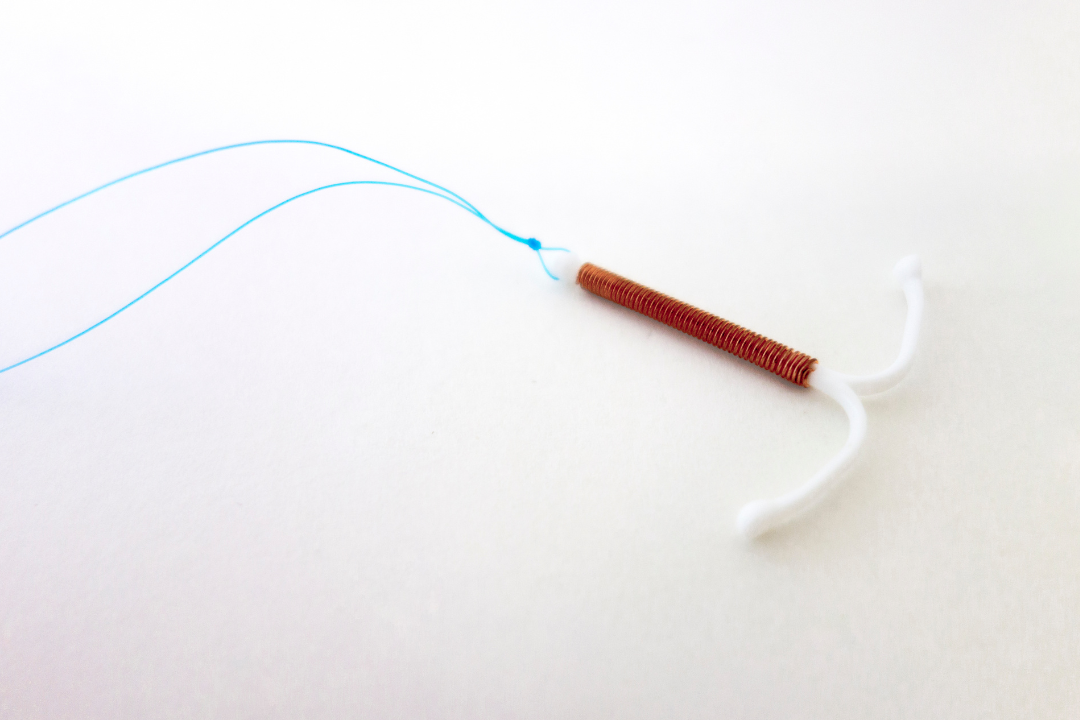
How Birth Control Works in Your Body
Most hormonal birth control suppresses ovulation. This means:
Your ovaries stop releasing an egg
Progesterone production pauses
Synthetic hormones run the show
Your monthly bleed is a withdrawal bleed rather than a true period
When you stop birth control, your brain and ovaries begin communicating again. This is known as the hypothalamus pituitary ovarian axis. It can take time to warm up.
Month by Month: What to Expect After Stopping Birth Control
Every body is different. Some women bounce back quickly and others take several months to see regular ovulation again. Here is a common roadmap.
Month 1
Your body is clearing synthetic hormones and re-establishing hormonal signaling. You might notice:
Mild spotting
Breast tenderness
Mood changes
Random cramping
Sleep disruptions
Some people ovulate the first month but many do not. If you do get a bleed, it may not be a true period yet.
Month 2
Ovulation attempts often begin here. You might see:
More cervical mucus
A slightly longer or shorter cycle
Acne flare ups
Heavier or lighter bleeding
This is the most common time hair shedding begins which is due to a shift in estrogen levels. It is temporary for most people.
Month 3
Cycles are often closer to normal by now. Ovulation is more likely to be consistent and progesterone begins rising naturally. Expect:
More stable moods
Fewer spotting days
Predictable PMS changes
Clearer skin for most
If cycles are still irregular at this point, it is ok. Birth control use for many years can lengthen rebalancing time.
Month 4 to Month 6
Most women have established ovulation and regular cycles between months four and six. Your body and brain have fully resumed hormonal communication. Things should settle, but support may still be helpful if you experience:
Persistent acne
PMS cramps
Long cycles (over 35 days)
Missing periods
If no regular period appears within three to six months, it is time to investigate deeper.
Common Symptoms After Stopping Birth Control
Some of the most common experiences include:
Acne, especially jawline or chin
Migraines right before your period
Heavier first few periods
Mid cycle discomfort when ovulating
Mood sensitivity and irritability
Temporary hair shedding
Breakthrough spotting
These symptoms can feel frustrating but they are usually a sign that hormones are regulating again.
How a Naturopathic Doctor Can Support You Through the Transition
You do not need to ride this out alone. Naturopathic support focuses on restoring your natural hormone rhythm quickly and comfortably.
Strategies often include:
Tracking
Cycle charting, basal body temperature, and cervical mucus monitoring help confirm ovulation.
Nourishing Nutrition
Hormone supportive foods like protein rich meals, healthy fats, leafy greens, and fiber help metabolize old hormones and stabilize blood sugar.
Gut and Liver Support
Your liver clears synthetic hormones and your gut helps eliminate them. If either system is sluggish, symptoms often worsen.
Stress and Sleep
Stress delays ovulation. Managing daily cortisol inputs can make cycle recovery smoother.
Testing When Needed
If your period does not return or symptoms worsen, hormone bloodwork gives clarity. Day 3 panels and mid luteal progesterone testing are common.
When Should You Seek Help
Book an appointment if:
You do not get a period within three months
You have severe acne or pain
Your cycles are longer than 35 days
You want to conceive sooner and want ovulation guidance
Fertility or hormone balance concerns are easier to manage early.
Key Takeaway
Coming off birth control is a normal and sometimes bumpy process. Most women see their hormones return to balance within several months. With the right support, you can feel empowered, informed, and connected to your natural cycle again.
Ready for Support Coming Off Birth Control?
If you are planning to stop birth control, or you already have and feel a little lost, I would love to help you understand what is happening in your body and guide you through each phase.
Book a naturopathic consultation today to get your hormones back on track and feel your best.