
Do Certain Foods Influence Hormone Levels?
If you spend any time on wellness TikTok or Instagram, you have probably seen people claiming that foods like flax, soy, pumpkin seeds, sesame seeds, or even specific smoothies can “balance your hormones.” As a naturopathic doctor who works with hormone health every day, I totally get the hope behind these posts. Food is powerful for supporting your health, and it feels good to have something simple you can add to your routine.
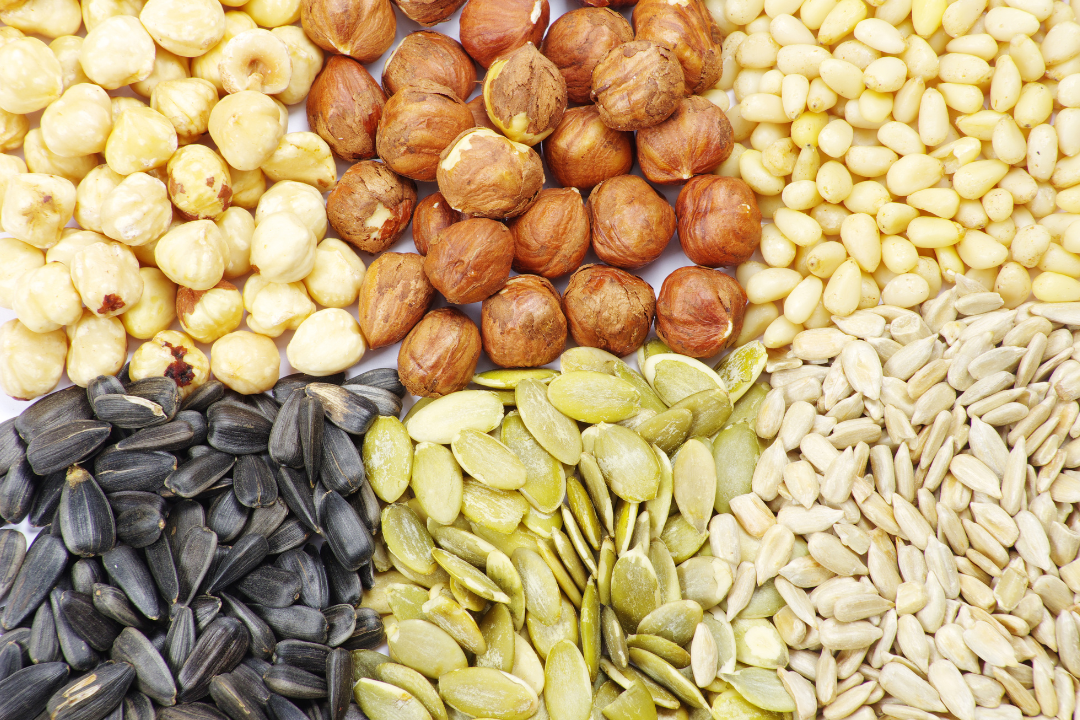
But can foods actually change your hormone levels? And if so, is this still true after menopause? Let’s break it down with an evidence-based look at what these foods do in the body, how they interact with hormones, and where their benefits truly begin and end.
This guide will walk you through the science, help you separate helpful nutrition from hype, and give you clarity on what food can and cannot do for your hormones across different life stages.
Why These Foods Get So Much Attention
Many of the foods that are said to support hormone balance share one thing in common. They contain phytoestrogens. These are naturally occurring plant compounds that have a chemical structure similar to estrogen. Because of this structural similarity, phytoestrogens can bind to estrogen receptors in the body. They do not behave exactly like the estrogen your ovaries make, but they can create mild estrogenic or anti estrogenic effects depending on the tissue and your overall hormone environment.
This is why people often recommend flax, soy, pumpkin seeds, sesame seeds, or chickpeas for PMS, perimenopause, heavy periods, or estrogen metabolism. These foods do have benefits, but the way they work is not the same as increasing your actual estrogen production.
Let’s look at some of the most common foods you hear about.
Flax Seeds and Lignans
Flax seeds are rich in lignans, which are a type of phytoestrogen. When you consume flax seeds, your gut bacteria convert these lignans into enterolignans, which can bind to estrogen receptors. Research suggests that flax may help support healthy estrogen metabolism, which is especially relevant during the reproductive years, when your ovaries are producing estrogen on their own.
Flax can be helpful for:
Supporting regular bowel movements and estrogen clearance through the gut
Providing plant based omega 3s
Offering possible mild estrogen receptor modulation
Important note. Flax seeds do not make your body produce more estrogen. They influence how you metabolize and clear the estrogen your body is already making.
Soy and Isoflavones
Soy contains isoflavones, another major phytoestrogen group. Isoflavones can bind to estrogen receptor beta, which has a weaker but still notable estrogenic effect compared to your own estradiol.
In premenopausal women, soy foods can:
Support menstrual cycle regularity in some individuals
Provide cardiovascular benefits
Offer mild estrogen modulation
In perimenopause and postmenopause, soy may:
Help reduce mild hot flashes or night sweats in some people
Support heart and bone health
However, just like flax, soy does not trigger your body to make estrogen. After menopause, your ovaries have retired. No food can reactivate ovarian estrogen production.
Pumpkin Seeds, Sesame Seeds and the Seed Cycling Trend
Pumpkin seeds and sesame seeds are nutritious foods that contain zinc, magnesium, fiber, and healthy fats. Many people pair them with flax seeds as part of “seed cycling,” which claims to help regulate estrogen and progesterone across the menstrual cycle.
Here is what we know so far:
These seeds are nutrient dense and support general health.
They do not directly alter hormone production.
There is currently no strong scientific evidence that rotating seeds in specific phases of your cycle increases or decreases estrogen or progesterone levels.
Seed cycling is not harmful and can increase your intake of healthy fats and minerals, but it is not a reliable method of hormone balancing when used alone.
What Happens After Menopause?
This is where things get especially important for expectations.
After menopause, your ovaries no longer produce meaningful amounts of estrogen or progesterone. You still have very small amounts produced by fat tissue and adrenal conversion, but these levels are not enough to cycle or restore the hormone environment you had before menopause.
Because of this:
Foods with phytoestrogens can create mild estrogen like effects.
These effects are gentle and not strong enough to replace ovarian hormones.
No food can restart ovarian hormone production after menopause.
This is why many people in postmenopause notice that flax, soy, or seed cycling feels helpful for digestion or overall wellness but does not give the level of symptom relief they actually need for hot flashes, vaginal dryness, joint pain, sleep disruption, or significant mood changes. The hormonal machinery simply is not there anymore.
What These Foods Can Actually Help With?
Even though they cannot produce hormones, phytoestrogen rich foods still offer meaningful benefits:
Support cardiovascular health during and after menopause
Support gut health and estrogen metabolism
Provide fiber and minerals that benefit metabolic health
Offer mild support for hot flashes in some individuals
Improve overall dietary pattern which influences inflammation, energy, and mood
Nutrition is a huge part of hormone health, but it is not a replacement for hormone therapy when hormone levels are extremely low.
So What Works Best for Hormone Support?
It depends on your life stage. Stayed tuned for a future blog post to dive into the best hormone supports.
Conclusion
Flax, soy, pumpkin seeds, and similar foods are nutrient rich and offer valuable health benefits. They can play a role in supporting hormone metabolism, gut health, and overall wellness, especially during your reproductive years.
However, they cannot create hormone production where it no longer exists. After menopause, ovarian hormone production is essentially off, and no food can turn it back on.
If you are experiencing hormone related symptoms, it is completely okay to lean on nutrition as part of your strategy, but it is equally important to explore evidence based options that truly match your physiology at your current life stage.
If you want personalized support navigating perimenopause or menopause, I help women in Kelowna and across BC understand their hormones, choose the right testing, and build a plan that actually works for their bodies. Book a consult anytime.