
Gut Health and Estrogen: The Estrobolome Explained
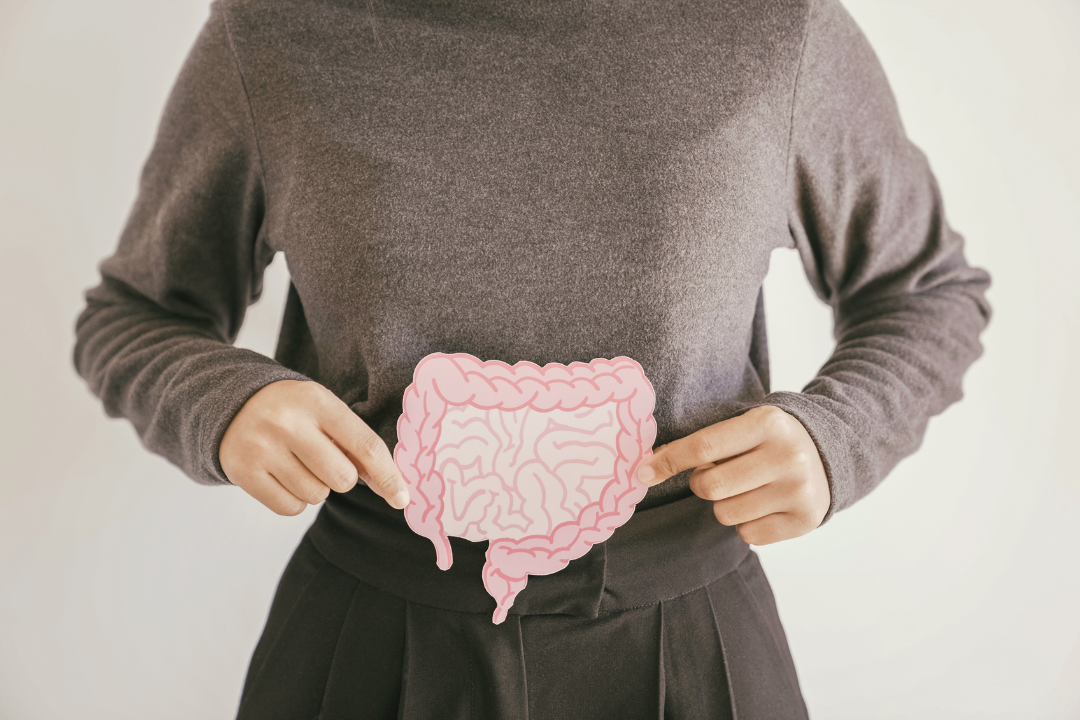
Did you know your gut isn’t just about digestion? Your gut microbiome plays a pivotal role in regulating hormones, including estrogen. The estrobolome is a group of gut bacteria responsible for metabolizing estrogen and can influence everything from menstrual cycles to perimenopause symptoms. Understanding this connection can help you take targeted steps to support both your gut and hormonal health.
What is the Estrobolome?
The estrobolome refers to the collection of gut bacteria capable of metabolizing estrogens. These bacteria produce enzymes like beta-glucuronidase, which can either recycle estrogen back into circulation or help excrete it.
When your estrobolome is healthy, your body maintains a balanced estrogen level, which supports:
Regular menstrual cycles
Fertility and ovulation
Mood stability
Bone and heart health
If the estrobolome is imbalanced, it may contribute to:
Estrogen dominance (linked to heavy periods, PMS, and fibroids)
Low estrogen symptoms (hot flashes, low libido, fatigue)
Digestive issues and inflammation
How Gut Health Affects Estrogen
The gut microbiome and estrogen are connected in a bidirectional relationship:
Gut bacteria metabolize estrogen: Certain bacteria deconjugate estrogen, allowing it to be reabsorbed into the bloodstream.
Estrogen shapes the gut microbiome: Estrogen influences gut barrier function, inflammation, and bacterial diversity.
Dysbiosis affects estrogen balance: Poor gut health, from antibiotics, poor diet, or stress, can disrupt the estrobolome and lead to estrogen-related symptoms.
Supporting Your Estrobolome
Supporting your estrobolome is about nourishing a healthy gut. Here are actionable tips:
1. Eat Fiber-Rich Foods
Soluble fiber feeds beneficial bacteria and supports regular bowel movements, helping remove excess estrogen.
Examples: oats, apples, flaxseeds, broccoli, beans
2. Include Fermented Foods
Fermented foods introduce beneficial bacteria into the gut.
Examples: yogurt, kefir, kimchi, sauerkraut, kombucha
3. Minimize Antibiotic Overuse
Antibiotics can disrupt gut bacteria and harm the estrobolome. Use only when necessary.
4. Consider Prebiotic and Probiotic Support
Prebiotics feed gut bacteria (chicory root, garlic, onions, bananas)
Probiotics introduce live beneficial bacteria (look for multi-strain formulas)
5. Manage Stress and Sleep
Stress and poor sleep negatively affect gut diversity and estrogen metabolism. Mindful practices, movement, and consistent sleep routines help.
When to Test Your Hormones and Gut Health
If you’re experiencing irregular cycles, heavy periods, menopausal symptoms, or digestive issues, testing can provide clarity:
Hormone testing: Estrogen (E1, E2, E3), progesterone, testosterone
Gut testing: Stool analysis for bacterial diversity, beta-glucuronidase activity
By identifying imbalances, you can implement personalized strategies to restore both gut and hormone health.
Key Takeaways
Your gut and hormones are deeply connected. A healthy estrobolome supports optimal estrogen metabolism, influencing menstrual health, mood, and overall wellbeing. Supporting your gut through diet, lifestyle, and targeted interventions can make a meaningful difference in how your hormones function.
Book a consult with a naturopathic doctor to assess your gut and hormone health, and create a personalized plan to restore balance.